







Search Results for: Hidden Menu
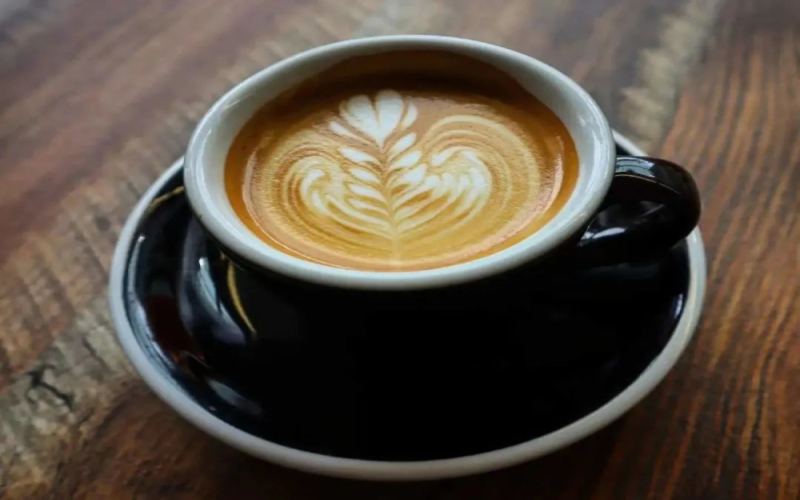
Decoding Australia's Hidden Menu Magic Coffee: What Exactly Is Melbourne's Specialty Magic Coffee?
In Australian cafés, there's a coffee that isn't on the regular menu but that almost everyone knows about—the Magic. It originated in Melbourne and is one of the most recognizable drinks in local coffee culture. This article will walk you through the definition of the Magic, its recipe ratios, flavor characteristics, and why it has become such an indispensable presence on Melbourne's coffee landscape. We'll also share Front Street Coffee's understanding of this drink and related product information, helping coffee lovers gain a more well-rounded appreciation of this "magic" from the Southern Hemisphere. [more…]
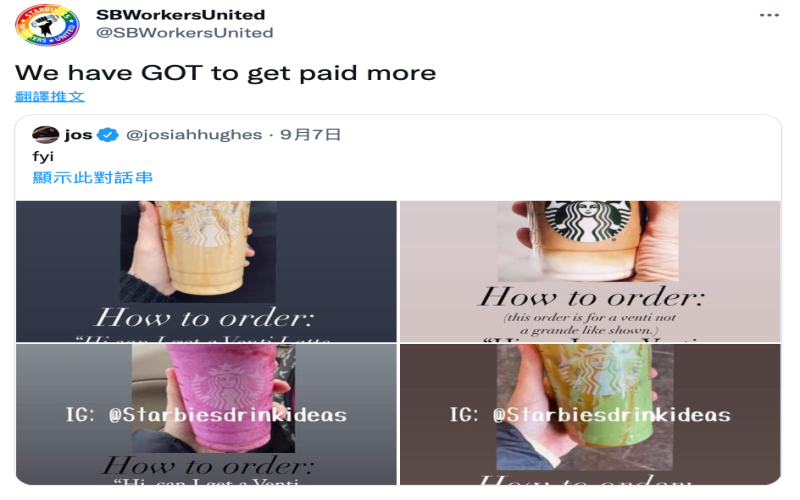
Why do Starbucks partners find the secret menu so frustrating? An analysis of baristas' daily struggles and the brand's response
Starbucks Workers United has recently publicly expressed dissatisfaction with popular online secret menu items, pointing out that these complicated custom drinks place an added burden on baristas. As the #starbuckshack hashtag on platforms like TikTok approaches 5 billion views, more and more customers are bringing posts into stores and asking for them to be recreated, yet baristas often have never heard of the recipes and the ingredients are not fully available. Some baristas have to make a quarter or even two-thirds of their drinks as hidden custom orders every day, and if the final product does not match the picture, it may be refused or a refund may be demanded. This ordering trend, fueled by social media, not only tests baristas' ability to adapt, but also triggers complaints from ordinary consumers about longer wait times. [more…]
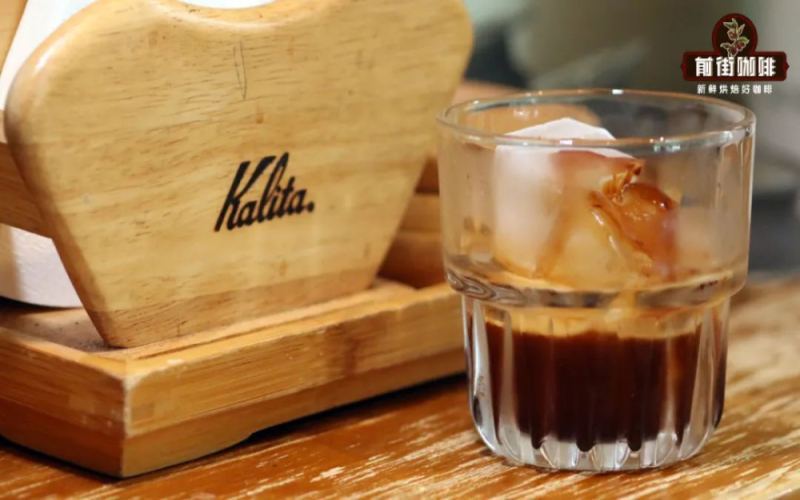
Complete Guide to Full-Ice Americano: Differences from Regular Iced Americano and Secret Menu Ordering Tips
Have you ever heard an order like this in a coffee shop—"Iced Americano, no water"? This seemingly simple drink is actually the all-ice Americano hidden behind the menu. It completely replaces the water in an Americano with ice cubes, allowing the espresso to lock in its aroma through rapid cooling, presenting a richer, more layered flavor. This article starts from Front Street Coffee's actual production and breaks down in detail the recipe ratio of the all-ice Americano, its taste differences compared with a regular iced Americano, and, combined with the concept of "extract chilling" proposed at the 2021 WBC Barista Championship, guides you to understand the flavor logic behind this way of drinking it. If you are also curious about exactly how espresso over ice is different, read on. [more…]
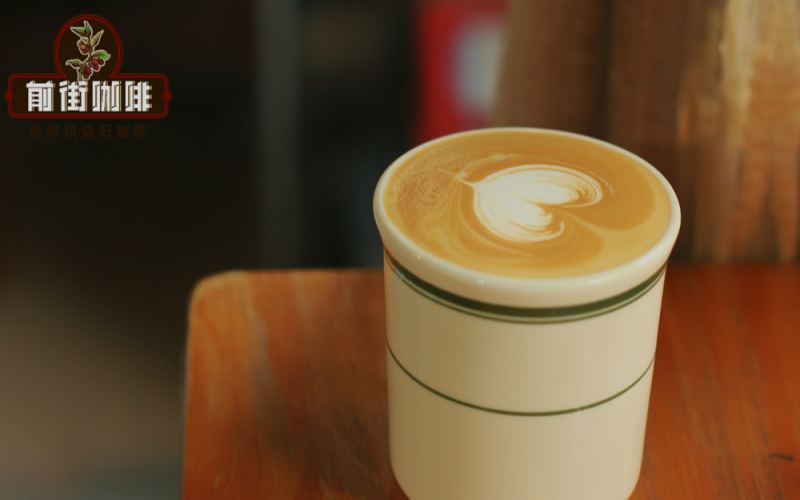
Australian White Coffee English Name Explained: A Comprehensive Comparison from Recipe to Flavor Differences with Latte
In coffee enthusiast circles, Flat White has always been a topic worth exploring in depth. It originated in Australia and New Zealand and is regarded as Oceania's localized evolution of the latte. Unlike the lattes and cappuccinos on Front Street Coffee's regular menu, the Flat White often exists as a hidden option. Starting from the English name of Flat White, this article will break down in detail its specific differences from a latte in cup size, espresso ratio, milk foam thickness, and flavor direction, and will also include Front Street Coffee's complete Flat White recipe and steps. Whether you want to understand exactly how a Flat White differs from a latte, or you want to recreate at home a cup of Flat White with thin milk foam and a prominent coffee flavor, you can find clear answers here. [more…]
Why Aren't Flat White and Australian White Coffee Served Iced? Unpacking the Traditional Reasons Flat White Is Only Served Hot
Many coffee lovers are curious: why does Flat White always appear as a hot drink on café menus, with an iced version almost never seen? Drawing on Front Street Coffee's actual ordering experience, this article discusses why this classic coffee originating from Australia sticks to its hot-drink tradition, and its subtle relationship with the latte. If you have ever tried to order an iced Australian white only to be politely declined by the barista, or want to understand the logic behind making a Flat White, this article will give you a clear answer. At the same time, we will also share Front Street's attitude toward offering such hidden-menu items, to help you order with more confidence. [more…]
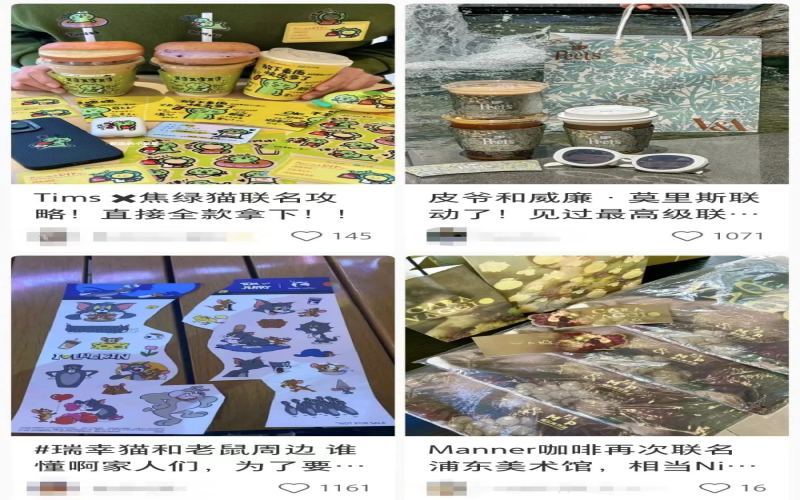
Starbucks collaborates with "Havoc in Heaven" to launch a peach-themed beverage, sparking heated discussion online over the lack of merchandise.
At the start of the new year, Starbucks announced a collaboration with Shanghai Animation Film Studio's classic animation "Havoc in Heaven," launching peach-flavored coffee drinks inspired by the "Peach Banquet." This news evoked childhood memories for many netizens, but some consumers were not impressed with the collaboration—because based on the available information, the campaign seemed to offer only limited-edition drinks, lacking themed packaging and merchandise. Compared to other brands that frequently release collaborative cup sleeves, tote bags, and other items, Starbucks' sincerity in this collaboration has been questioned, with some netizens pointing out that the limited-edition drinks are actually a hidden menu item that can be enjoyed in advance through customization services. Whether this collaboration can meet the expectations of "Havoc in Heaven" fans remains to be seen. [more…]
Dirty Coffee Origins and Tasting Guide: A Comprehensive Interpretation from the Invention Story to the Correct Way to Drink It
Dirty coffee has risen rapidly in the specialty coffee scene in recent years, becoming a popular staple in many cafés. This drink, made of milk and espresso, has won over countless coffee lovers with its distinctive visual layers and the contrast of hot and cold in every sip. But do you know which country Dirty coffee was first created in? Why do baristas always remind you to take big sips and finish it as quickly as possible? In this article, Front Street Coffee takes you back through the story of how dirty coffee was invented, traces its evolution from a hidden menu item to a permanent offering, and takes a deep dive into the proper way to taste it, so you can truly appreciate the charm of this layered milk coffee. [more…]

Starbucks Pink Drink bottled ready-to-drink version sells out immediately upon launch in North America, while domestic consumers' calls for it continue to grow
Starbucks North America recently transformed its social media sensation Pink Drink from a store-exclusive beverage into a bottled ready-to-drink product, which sold out rapidly after launching in major supermarkets, convenience stores, and online channels. This pink drink, which first gained popularity in 2016 as a secret menu item, went through fan-driven organic promotion, was officially added to the menu in 2017, and then expanded to North American markets including Canada in 2018, yet has never made its way to Starbucks stores in mainland China. The bottled version also launched a tropical-flavored Paradise Drink alongside it. Although it omits the fresh fruit pieces, it comes at a more affordable price, adding another new member to Starbucks' ready-to-drink beverage lineup. Chinese coffee enthusiasts have responded enthusiastically, with many calling on the brand to bring the product to China. [more…]
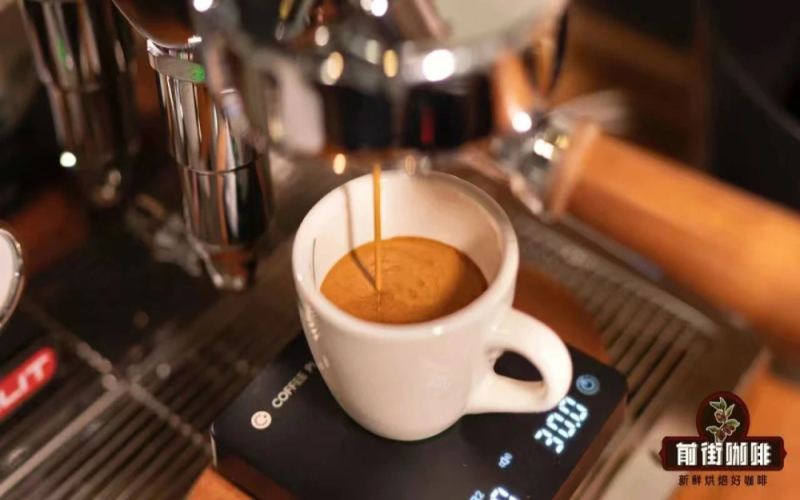
Espresso Tasting Guide: Why It's Served with Ice Water, How to Drink It Properly, and Key Flavor Evaluation Points
Espresso often exists as a hidden menu item in most cafés, and many people new to coffee are both curious and unfamiliar with it. This article begins with the origins of espresso and the purpose of drinking it, explains how it differs from pour-over coffee in flavor expression, focuses on why a glass of ice water is served alongside it, and breaks down step by step the complete tasting process—from rinsing the mouth, stirring, and sipping in stages to drawing in air to sense the finish. It also introduces the Sunflower Warm Sun blend used at Front Street Coffee locations, helping readers understand the beans and extraction logic behind a good espresso. [more…]
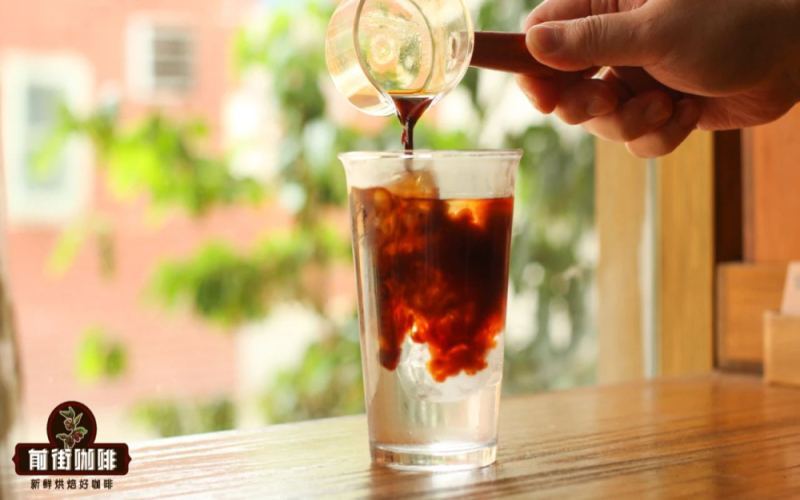
How to Determine the Water-to-Espresso Ratio for Americano? A Detailed Guide to the Coffee-to-Water Ratio and Full-Ice Method for Iced Americano
Americano may look like nothing more than espresso with water, but how much water you add and what ratio you use directly determine whether a cup tastes good. This article focuses on the water-to-espresso ratio for Americano, explaining what water-to-coffee ratios suit coffee beans of different roasting styles and flavor profiles, and using a classic Italian blend as an example to give a reference range of 1:7 to 1:8. The article also breaks down in detail the specific parameters Front Street Coffee uses to make iced Americano: 40g espresso, 100g large ice cubes, and 120g water, i.e. 1:2.5:3, and further introduces the preparation order for the hidden menu item "all-ice Americano" — put the ice in first, then pour in the espresso, using the principle of extract cooling to lock in aroma and speed up chilling, for a better mouthfeel and flavor performance. [more…]
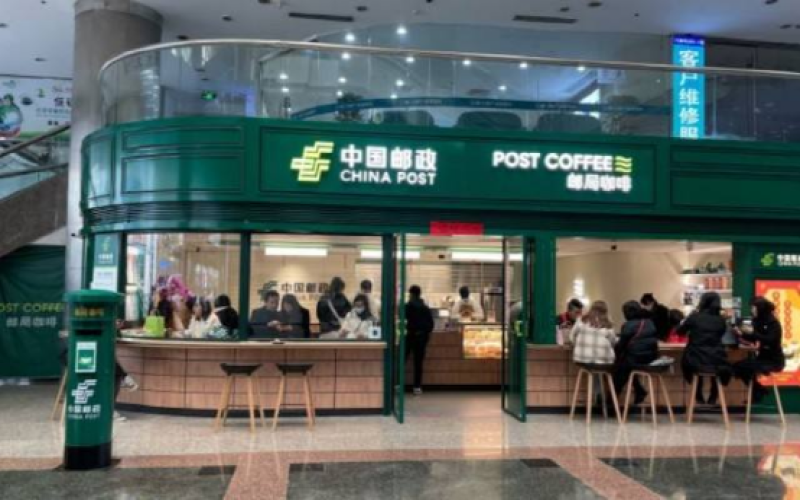
China Post opens its second coffee shop nationwide in Xiamen, launching an eco-friendly special drink in collaboration with OATLY.
Since opening China's first post office café on February 14 this year, China Post has officially entered the coffee market as a national team player. Amid an enthusiastic consumer response, the country's second post office café opened on Cat Street in Xiamen. The new store blends in with the local character of Cat Street, creating a space for cat lovers to mingle, and has partnered with oat milk brand OATLY to launch a hidden-menu eco-friendly special. At the same time, OATLY put in a strong performance in the Asian market in the first quarter, with its Barista product contributing significantly, and the brand is accelerating its expansion into diverse categories such as new-style tea drinks and plant-based ice cream. [more…]
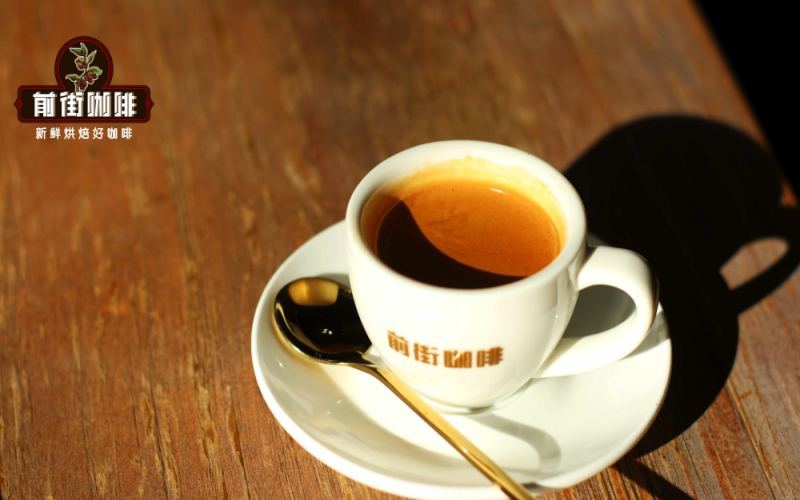
How do you drink espresso in a truly professional way? Can you add sugar? An in-depth look at how seasoned coffee lovers drink it.
Espresso does not appear on the regular menu in many cafés; it is more like a hidden option reserved for connoisseurs, and the same is true at Front Street Coffee. As a result, many friends who are new to coffee find it unfamiliar, unsure what kind of drink it actually is or how to properly taste it. From the perspective of Front Street Coffee, this article discusses what espresso is really about, why it is served with a glass of ice water, what the standard tasting steps are, whether sugar can be added for flavoring, and the demands a good espresso places on coffee beans and extraction technique. If you also want to understand this small yet intense cup of coffee, read on. [more…]
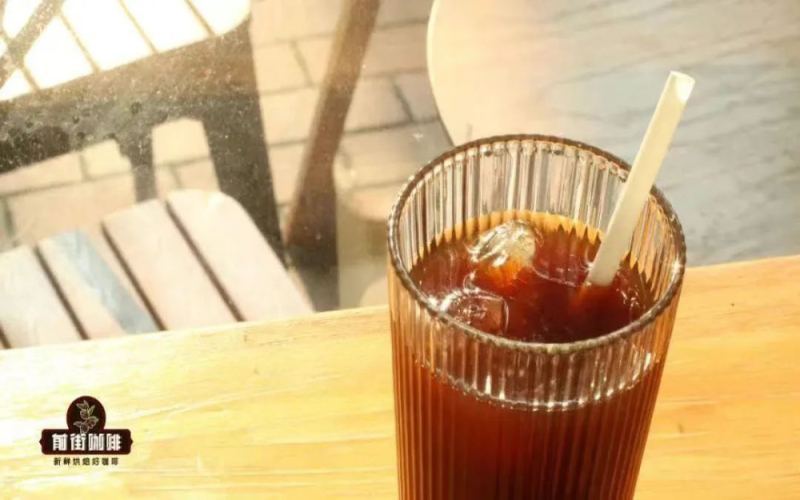
What Is an Iced Americano Without Water? Analysis of the Making Method and Flavor Layers of Espresso Over Ice
Iced Americano without water sounds like a strange option, but it actually just means pouring espresso directly over ice. This practice isn't superfluous—it's a favorite among many seasoned coffee enthusiasts. This article breaks down the ins and outs of this "waterless iced Americano" in detail, from the ordering logic, cup selection, and extraction method to the flavor changes. It also discusses why coffee shops usually don't put espresso on the menu, as well as Front Street Coffee's professional advice on this way of drinking. If you're curious about what espresso over ice actually tastes like, or want to understand why every sip of a waterless iced Americano changes, this article will give you the complete answer. [more…]
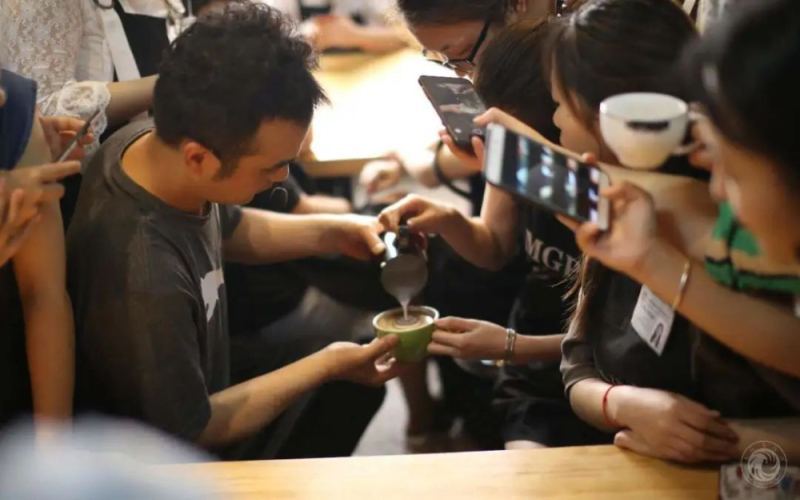
From Being Discouraged to Joining In: A Complete Breakdown of the Profit Path and Operating Keys for Coffee Shop Entrepreneurship
Many people hold a romanticized vision of opening a coffee shop, while others repeatedly warn against it, believing it to be a business prone to losses. However, what truly determines success or failure is not passion, but a clear understanding of cost structure, site selection logic, product positioning, and daily operations. Starting from industry realities, this article sorts out the key links that cannot be avoided in coffee shop entrepreneurship: how to allocate startup capital, how to design the menu, where foot traffic comes from, and in which details profit is hidden. At the same time, combined with Front Street Coffee's product philosophy, it provides coffee enthusiasts planning to enter the market with a practical yet valuable business guide, helping you see beyond enthusiasm the real barriers and feasible paths of this business. [more…]
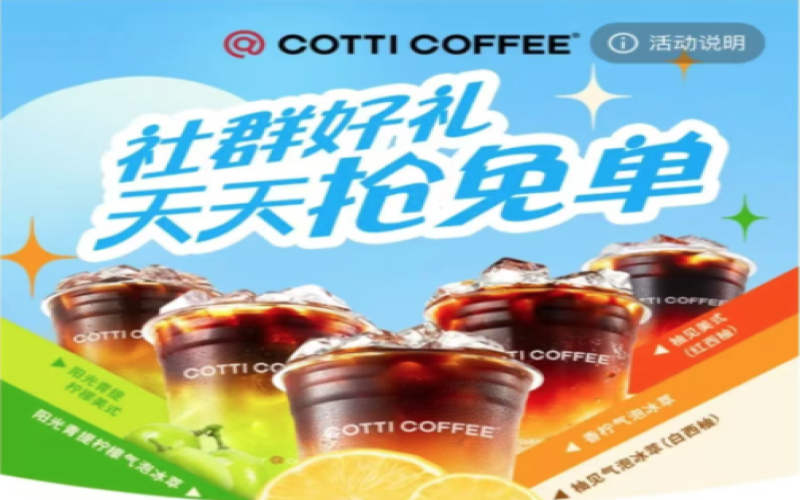
Cotti's 0-yuan drink vouchers are hard to snag and expire easily? What hidden thresholds lie behind the freebie hunting?
Cotti Coffee's "0-yuan free drink vouchers" have sparked heated discussions on social media. Some people camp out in store groups every day to grab vouchers and drink until they can't stop, while others complain that the voucher-grabbing page crashes and that they wait endlessly to receive vouchers after winning. This article sorts out the channels for obtaining Cotti's free drinks and the rules for using them, including grabbing vouchers in store groups and official WeChat sweepstakes, while also revealing the hidden risk that free vouchers easily expire. In addition, Cotti's "Million Influencer" review program distributes over a million trial drink vouchers each year. What exactly has this strategy brought to the brand? For coffee lovers, before trying to score freebies, it's worth understanding these tricks first. [more…]

A Practical Guide to Coffee Shop Delivery Operations: A Complete Approach from Pricing Strategy to Private Domain Retention
While delivery platforms bring orders to coffee shops, they also carry the hidden risk of brand devaluation. Many shop owners have found that blindly joining price wars not only makes profitability difficult but can also erode the store's brand value. This article systematically sorts out the key aspects of coffee shop delivery operations, from pre-opening pricing planning, accumulating Dianping ratings, and delivery menu strategies, to how to convert platform traffic into private-domain customers. It also emphasizes that independent coffee shops should differentiate themselves from chain brands through professional quality and service details, rather than getting caught in low-price involution. The article also shares practical techniques such as stamp cards and scratch cards to guide delivery customers to offline visits, helping coffee shops effectively attract traffic through delivery while maintaining their brand tone. [more…]

Should Cafés Stop Selling Espresso? Starting from Cost and Customer Perception
In Italian dining culture, Espresso is a daily necessity, but in domestic coffee shops, it is often the lowest-priced and least-ordered drink on the menu. A rural café owner recently published a post asking "should Espresso be removed from the menu," citing the huge gap between production cost and actual experience. This article focuses on this topic, combining customer feedback, operator dilemmas, and industry advice to explore the awkward positioning of espresso in domestic cafés, as well as how brands like Front Street Coffee understand espresso products. [more…]
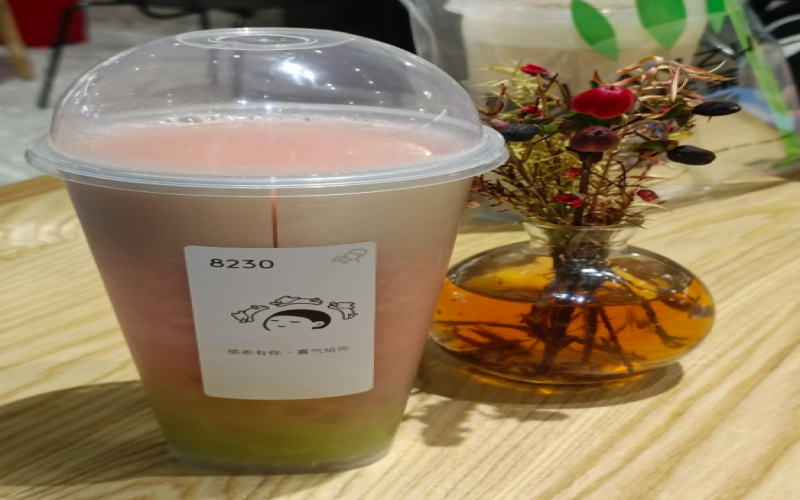
The real situation of milk tea shop employees: hand-squeezing juice and peeling fruit every day, frozen shoulder and tenosynovitis have become common occupational diseases.
Last spring, Heytea's guava series of fruit teas captured a large number of consumers with their refreshing taste, and their removal from the menu after the season became a regret for many. On the eve of this year's Valentine's Day, the guava series finally returned amid widespread calls for it, and as soon as the Refreshing Guava Grape Tea was launched, it flooded social media, with store orders packed. However, while fans were raising their cups for photos and check-ins, Heytea employees in the back kitchen were facing baskets of fresh guavas, wanting to cry but unable to shed tears. Manually squeezing fruit puree, peeling green grape flesh, and long hours of repetitive labor caused many staff members to develop health problems such as frozen shoulder, tenosynovitis, and hand allergies. Behind a cup of seemingly simple fruit tea, what exactly is hidden in terms of the production process and labor intensity? This article takes you to understand the real working conditions of milk tea workers. [more…]

Starbucks Iced Shaken Espresso Caffe'Shakerato hits the menu, shaking up foam relies entirely on the barista's arm strength and confidence
On June 14, Starbucks China officially launched a new iced coffee category called "Iced Shaken Espresso," featuring two flavors: Sea Salt Caramel and Tahitian Vanilla. This drink is originally named Caffe'Shakerato, a national-level iced espresso in Italy, shaken in a cocktail shaker to create a dense foam, with a taste and appearance similar to dark beer. Starbucks has turned it from a hidden menu item into a regular product, sparking heated discussions on social media. The production process places extremely high demands on baristas' skills, requiring plenty of ice and endless shaking to achieve a fine foam, and it is even more of a test during peak hours. Consumer reviews are polarized, with some praising the taste and others complaining that the foam is coarse. This article explains in detail the origin, spread, and production difficulties of Caffe'Shakerato, and shares an easy way to replicate it at home. [more…]

Origin of the Dirty Coffee | Must you use ice bock to make a dirty coffee? How do the taste and mouthfeel of a dirty differ from an iced latte?
Dirty coffee has always existed as a hidden menu item at Front Street Coffee, because in Front Street's view, Dirty is simply a "special" way of drinking a latte. Until one day, I happened to overhear a customer explaining it to his friend, which boiled down to "Dirty is made with ice bock milk [冰博克奶] as the base, then pouring espresso over it." [more…]